Like most websites, we use cookies to make our site work the way you expect it to, improve your experience on our site, analyze site usage, and assist in our marketing efforts. By choosing "Accept All Cookies", you agree to the storing of all categories of cookies on your device.
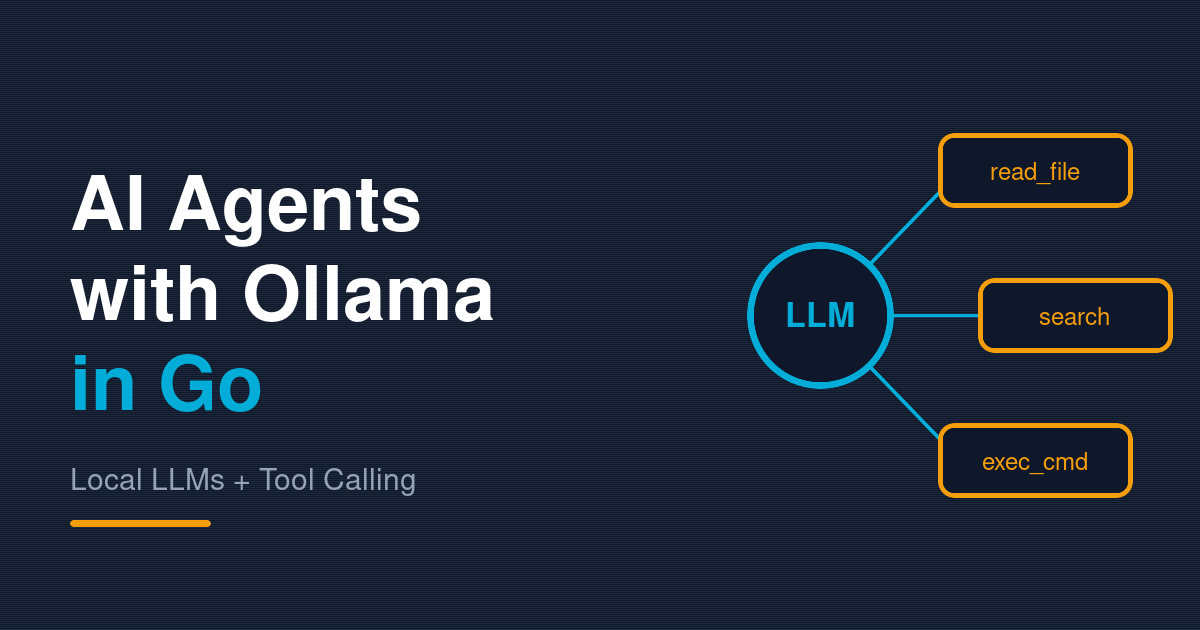
The landscape of AI development is undergoing a fundamental shift. What once required expensive API calls to cloud-based LLM providers can now run entirely on your local machine using Ollama. But raw language models alone aren’t enough to build truly useful AI systems—they need the ability to take actions through tool calling, also known as function calling.
Building AI agents that can autonomously read files, execute commands, search codebases, and modify systems opens up unprecedented possibilities for automation. Imagine an AI assistant that can analyze your Go codebase, understand architectural patterns, and suggest improvements by actually examining the code. Or a development agent that can automatically fix linting errors, generate boilerplate, or execute builds based on natural language instructions.
This comprehensive guide teaches you how to build production-ready AI agents in Go using Ollama for local LLM inference and a robust tool registry system inspired by the Model Context Protocol (MCP). You’ll create a system where AI models can intelligently decide which tools to use, when to use them, and how to combine tool results to solve complex problems.
Here is an uncomfortable truth about observability: you only find out your dashboards are wrong, your alerts are silent, and your traces are broken during an incident. The one moment you most need visibility is the moment you discover you never had it.
Chaos engineering flips that script. Instead of waiting for production to break and hoping your telemetry holds up, you deliberately inject controlled failures and verify that your metrics, logs, and traces actually captured what happened.
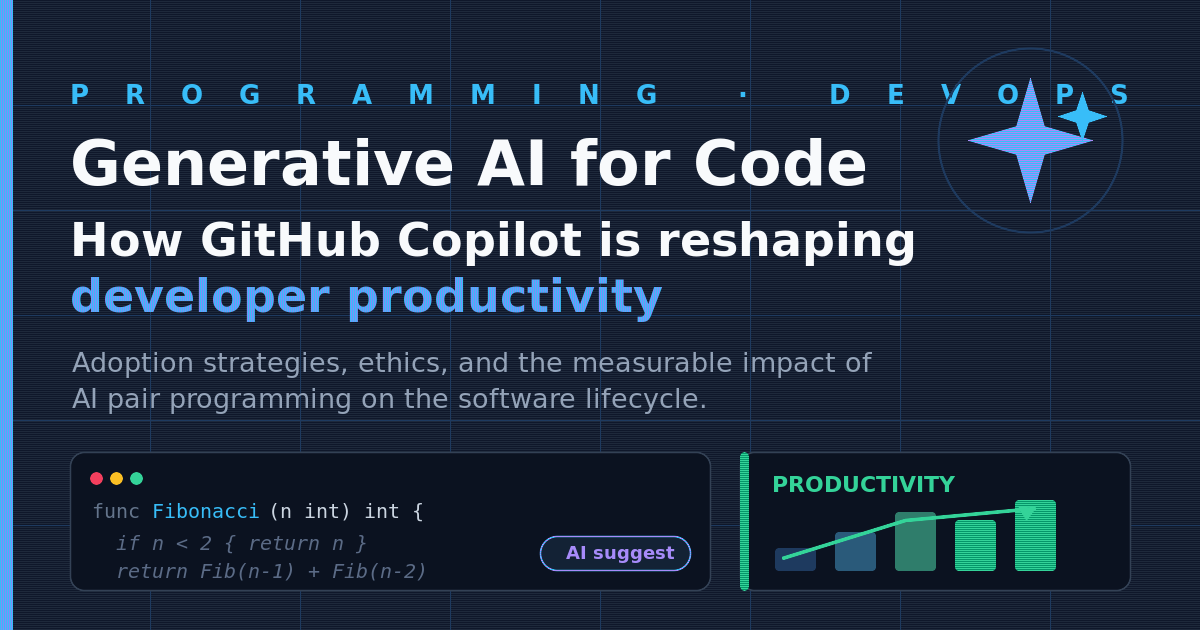
The software development landscape has undergone a seismic shift in recent years. What was once a purely human-driven creative process is now augmented by artificial intelligence systems that can write, review, and optimize code. GitHub Copilot, ChatGPT, Amazon CodeWhisperer, and similar tools represent a fundamental change in how we approach programming.
This article examines the practical implications of integrating generative AI into your development workflow, explores the ethical minefield you’ll navigate, and provides concrete evidence of the productivity gains (and pitfalls) you should expect.
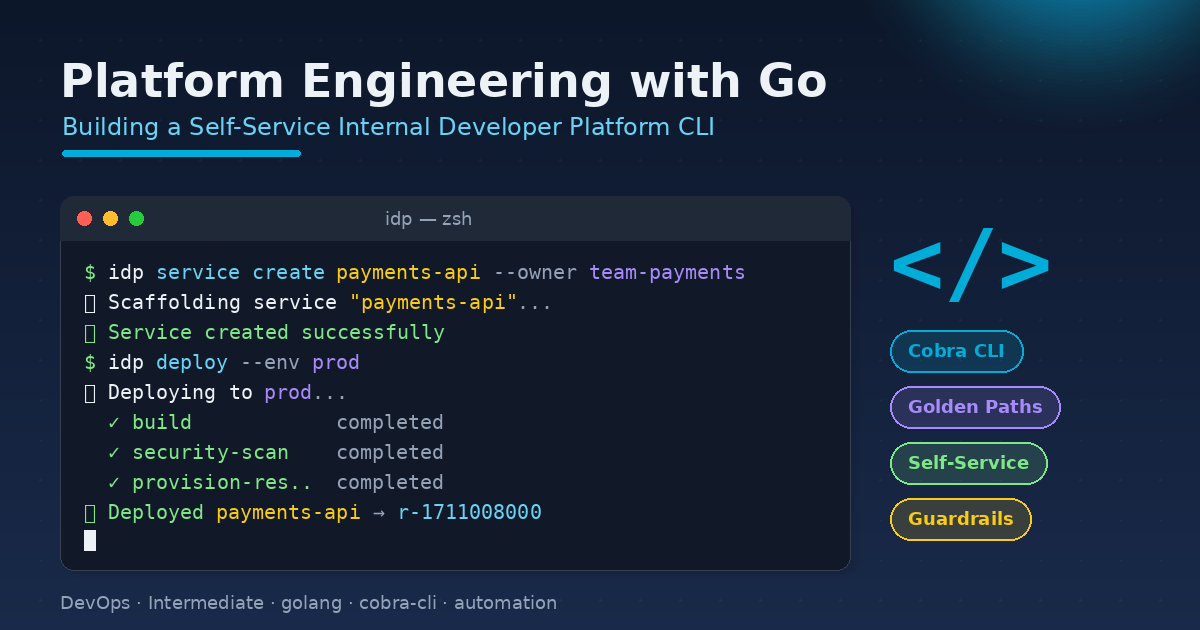
Platform engineering has emerged as the natural evolution of DevOps, addressing a critical problem that plagues growing engineering organizations: cognitive overload. As infrastructure complexity explodes—Kubernetes, Terraform, CI/CD pipelines, observability stacks, secrets management—developers increasingly spend time fighting tooling instead of shipping features.
The solution is an Internal Developer Platform (IDP): a curated, self-service layer that abstracts away infrastructure complexity and provides developers with “golden paths” to production. At the heart of many successful IDPs sits a command-line interface (CLI) that developers use daily to scaffold services, provision resources, and deploy applications.
In this guide, you’ll build a production-grade IDP CLI in Go using the Cobra framework. Go is the de facto language for platform tooling—it powers Kubernetes, Docker, Terraform, and countless cloud-native tools—thanks to its single-binary distribution, excellent concurrency, and robust standard library.
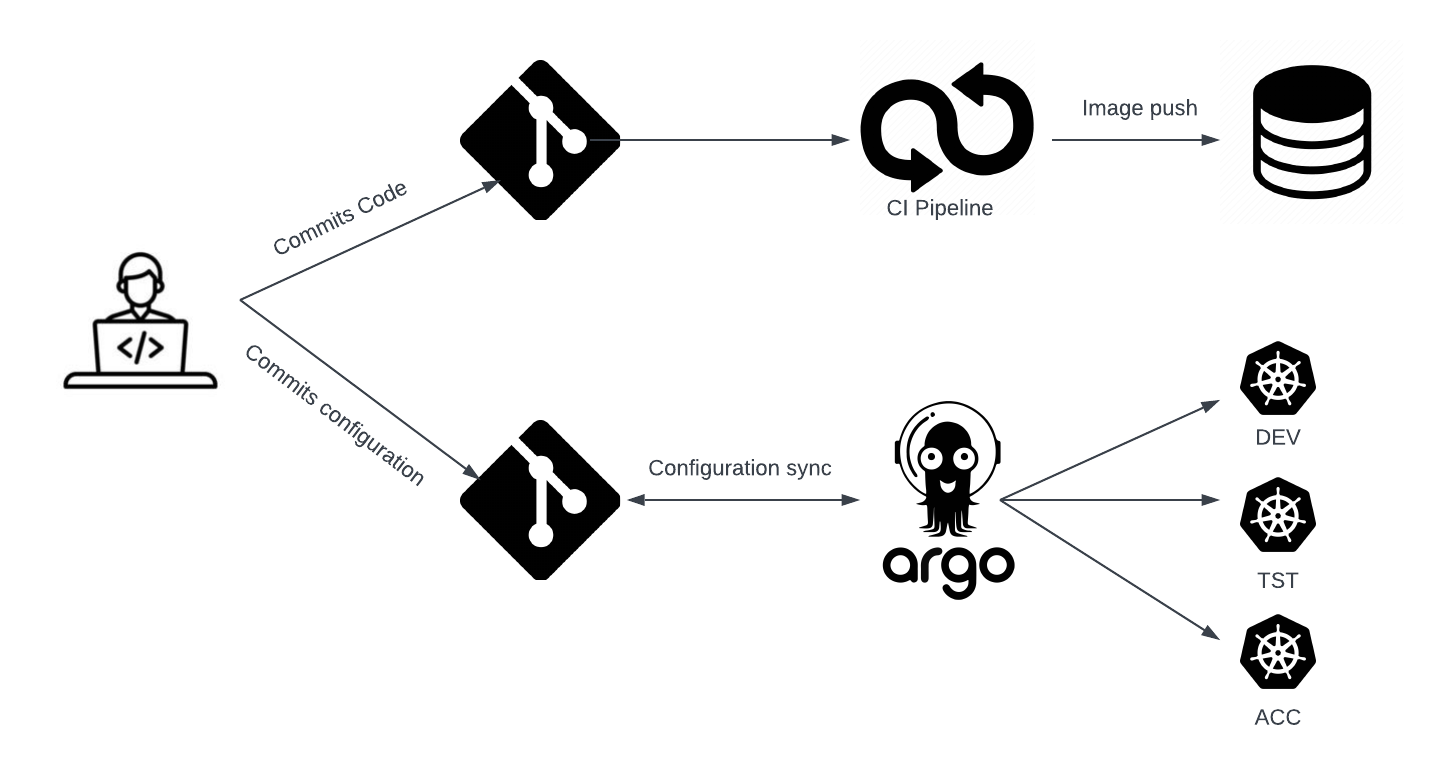
In today’s fast-paced software development landscape, the ability to deploy applications quickly, reliably, and consistently has become a critical competitive advantage. Traditional deployment methods often involve manual processes, imperative commands, and fragmented toolchains that can lead to configuration drift, deployment failures, and security vulnerabilities. This is where GitOps emerges as a transformative approach, treating Git repositories as the single source of truth for both application code and infrastructure configuration.
GitOps represents a paradigm shift in how we think about continuous deployment and infrastructure management.
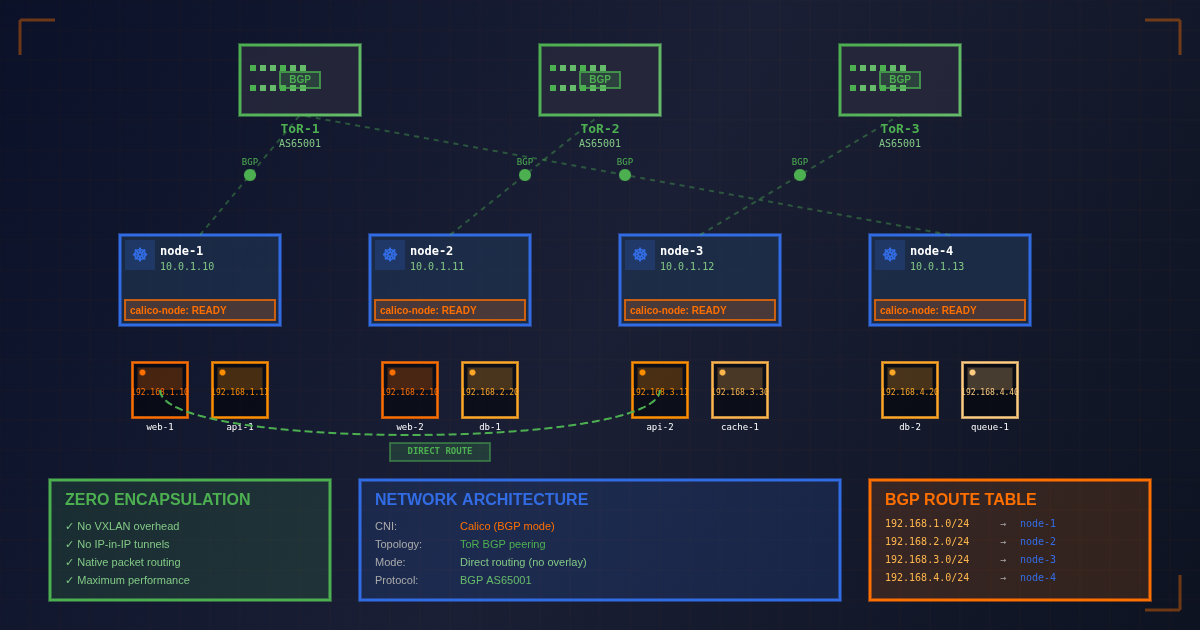
In the world of high-performance Kubernetes deployments, network overhead can become a significant bottleneck. Traditional overlay networks like VXLAN or IPIP add encapsulation layers that consume CPU cycles, introduce latency, and reduce overall throughput. For organizations running latency-sensitive applications or high-bandwidth workloads, every microsecond and every bit of throughput matters. This is where zero-encapsulation networking with Calico BGP and Top-of-Rack (ToR) switch integration becomes a game-changer.
Calico’s BGP mode eliminates overlay network overhead entirely by leveraging the Border Gateway Protocol to announce pod and node IP addresses directly to your network infrastructure.
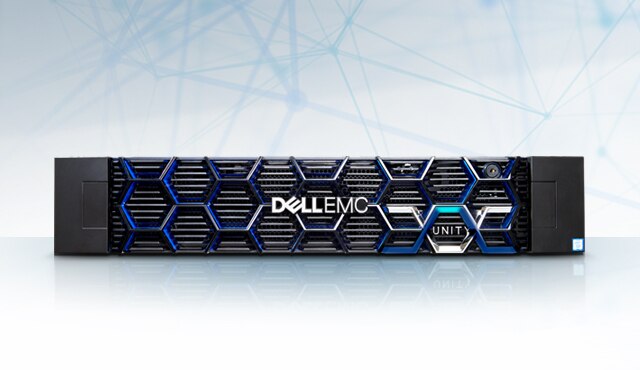
The Dell Container Storage Interface (CSI) Driver for Unity XT enables Kubernetes clusters to provision and manage storage volumes from Dell Unity XT arrays. This guide provides a comprehensive walkthrough for deploying CSI-Unity on a bare-metal Kubernetes cluster running Ubuntu 24.04, including multipath configuration and troubleshooting strategies.
Prerequisites Kubernetes cluster (version 1.27+) running on Ubuntu 24.04 Dell Unity XT storage array with: Management IP address accessible from Kubernetes nodes iSCSI or Fibre Channel connectivity configured Storage pools created and available Administrative access to Kubernetes cluster and Unity XT array Helm 3.
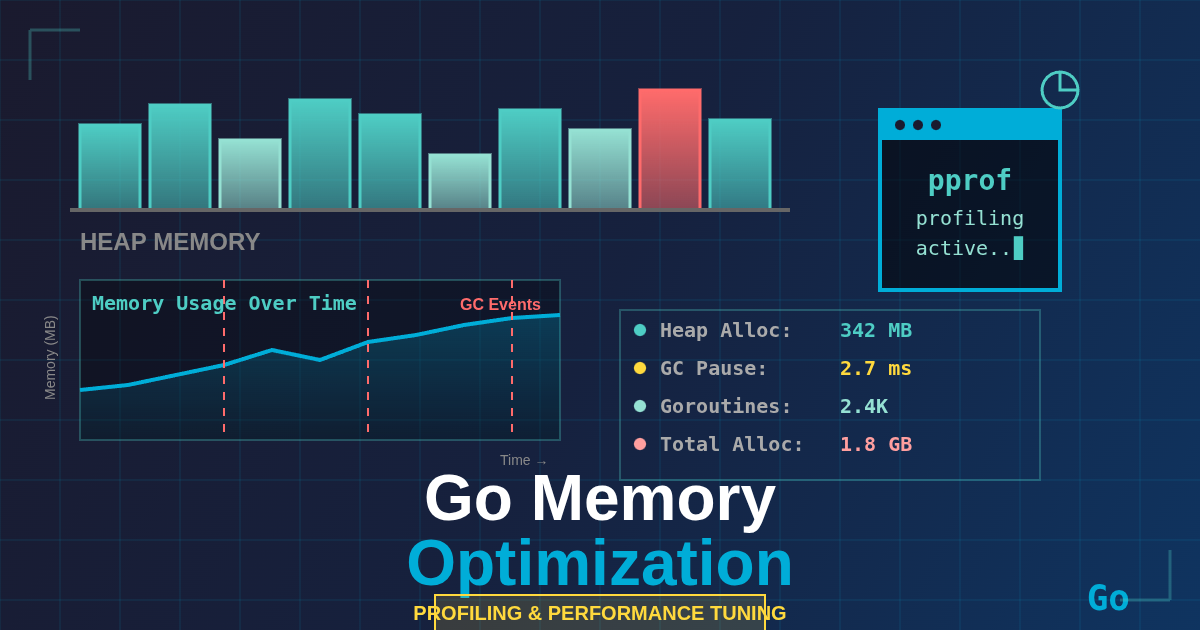
Memory optimization in Go applications is a critical skill that separates good developers from great ones. While Go’s garbage collector handles memory management automatically, understanding how to profile, analyze, and optimize memory usage can dramatically improve your application’s performance, reduce infrastructure costs, and enhance user experience. In production environments where every millisecond and megabyte counts, these skills become invaluable.
Go provides exceptional built-in tooling for memory profiling through the pprof package and runtime statistics.
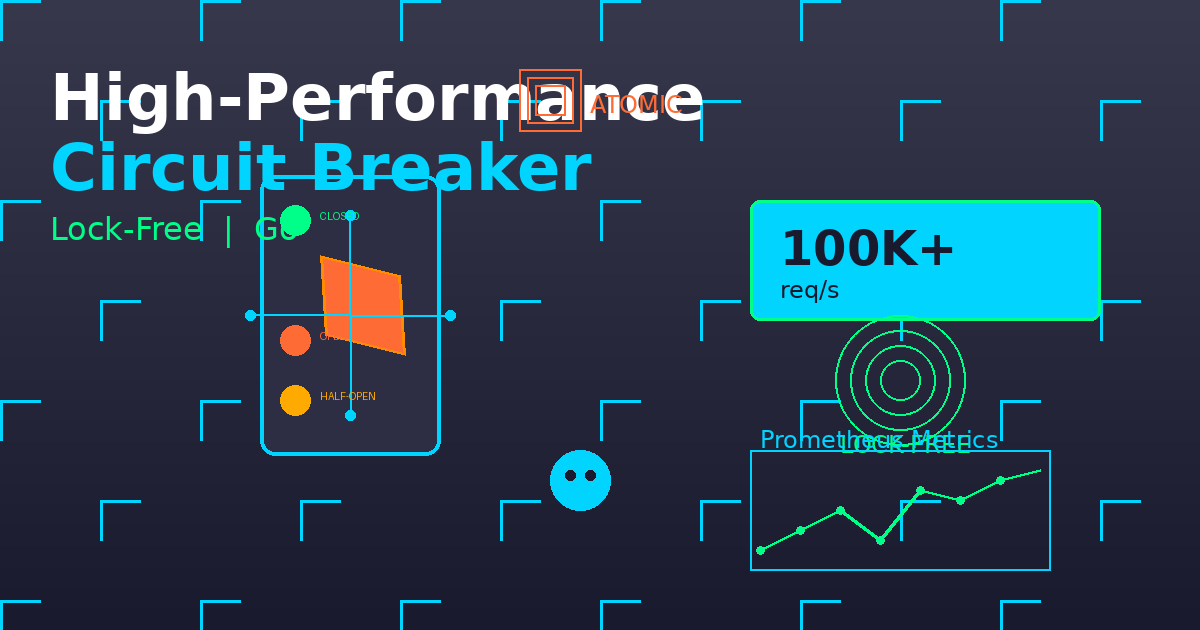
Introduction In distributed systems, cascading failures are one of the most devastating failure modes. When a downstream service becomes slow or unresponsive, upstream services can exhaust their resources waiting for responses, causing a domino effect that brings down entire systems. The 2017 AWS S3 outage, which cascaded across multiple services and lasted nearly four hours, demonstrated how a single service failure can ripple through interconnected systems.
Circuit breakers act as automatic safety switches that prevent cascading failures by detecting when a service is unhealthy and temporarily blocking requests to it.
Introduction API security isn’t optional—it’s fundamental. According to the 2023 State of API Security Report, 94% of organizations experienced API security incidents, with exposed APIs becoming the primary attack vector for data breaches. As APIs power everything from mobile apps to microservices architectures, a single vulnerability can cascade into system-wide failures, data leaks, or complete service disruption.
Go’s combination of simplicity, performance, and robust concurrency makes it ideal for building secure APIs.