Like most websites, we use cookies to make our site work the way you expect it to, improve your experience on our site, analyze site usage, and assist in our marketing efforts. By choosing "Accept All Cookies", you agree to the storing of all categories of cookies on your device.
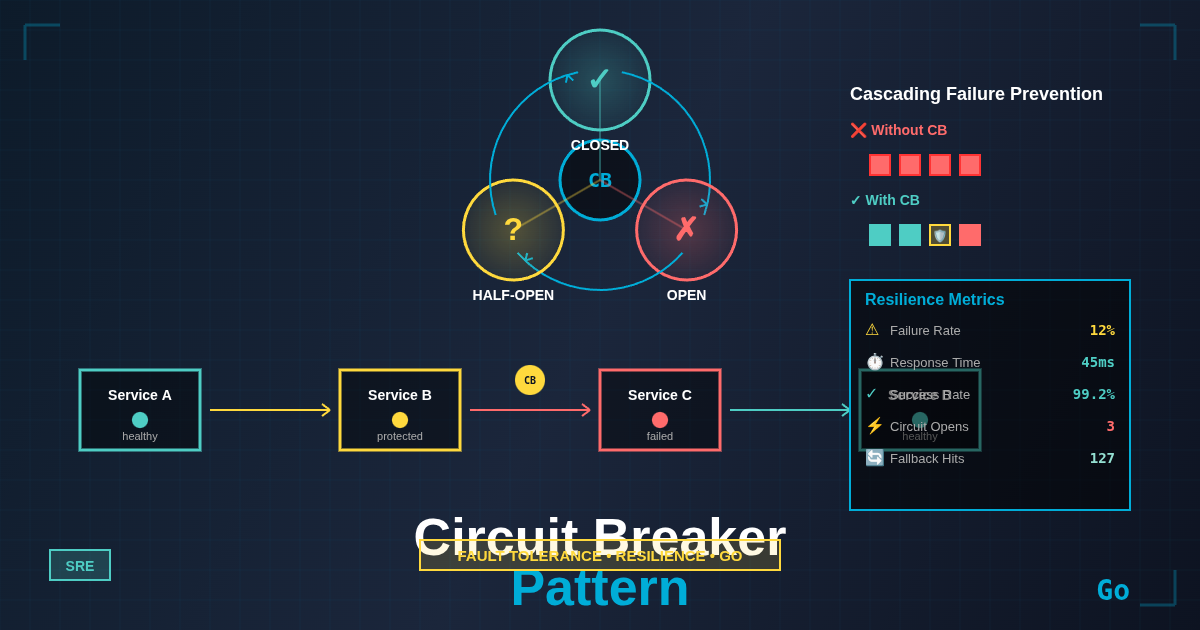
In today’s distributed systems landscape, services are interconnected through complex networks of API calls, database queries, and external service dependencies. When one service experiences issues, it can create a cascading failure that brings down entire systems. This is where the Circuit Breaker pattern becomes invaluable—acting as a protective mechanism that prevents failing services from overwhelming the entire system.
The Circuit Breaker pattern, inspired by electrical circuit breakers, monitors service calls and “trips” when failures exceed a certain threshold, temporarily blocking requests to give the failing service time to recover.
In today’s regulatory landscape, compliance isn’t just a checkbox—it’s a critical business requirement that can make or break your organization. Whether you’re handling sensitive customer data or protected health information, meeting standards like SOC2 and HIPAA is essential for maintaining trust and avoiding costly penalties. For Go applications, implementing compliance automation can streamline audits, reduce human error, and ensure continuous adherence to regulatory requirements.
This comprehensive guide will walk you through building robust compliance automation systems in Go, covering everything from audit logging to automated policy enforcement.
Hassle-Free Prometheus on Bare Metal Monitoring bare metal infrastructure with Prometheus is notoriously challenging. Unlike cloud environments with built-in service discovery, bare metal deployments require manual configuration of scrape targets. Every time you add a server, you must update Prometheus configs, manage TLS certificates, and ensure exporters are accessible. This manual process is error-prone, time-consuming, and doesn’t scale.
In this guide, we’ll build a production-ready service discovery system specifically designed for bare metal Prometheus deployments.
Container security has become a critical concern as organizations increasingly adopt containerized applications. With the rise of microservices and cloud-native architectures, Go applications running in containers face numerous security challenges, from vulnerable base images to misconfigurations that can expose sensitive data or provide attack vectors.
This comprehensive guide explores how to implement robust security scanning, vulnerability management, and hardening strategies specifically tailored for Go applications. We’ll cover everything from choosing secure base images to implementing runtime security monitoring, ensuring your containerized Go applications maintain the highest security standards throughout their lifecycle.
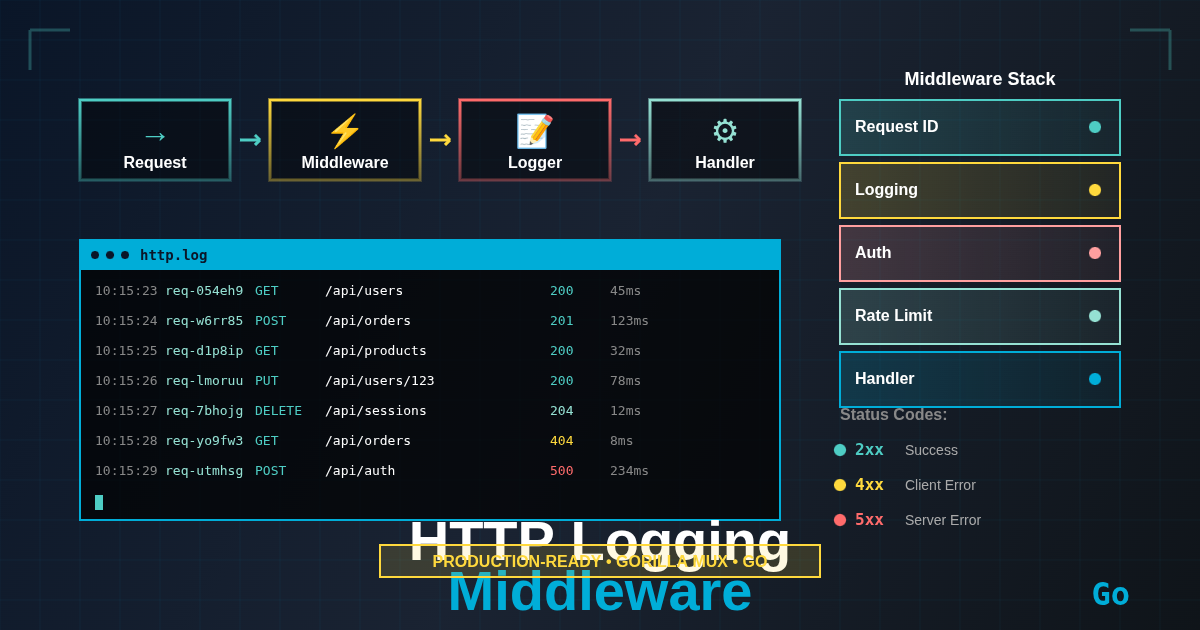
Observability is the cornerstone of modern web applications. When your API starts experiencing issues at 3 AM, comprehensive logging can mean the difference between a quick fix and hours of frustrated debugging. In this guide, we’ll build a production-grade HTTP logging middleware for Gorilla Mux that goes beyond simple request logging to provide actionable insights into your application’s behavior.
Why HTTP Logging Middleware Matters Every HTTP request tells a story. It carries information about who’s accessing your system, what they’re requesting, how long it takes, and whether it succeeds or fails.
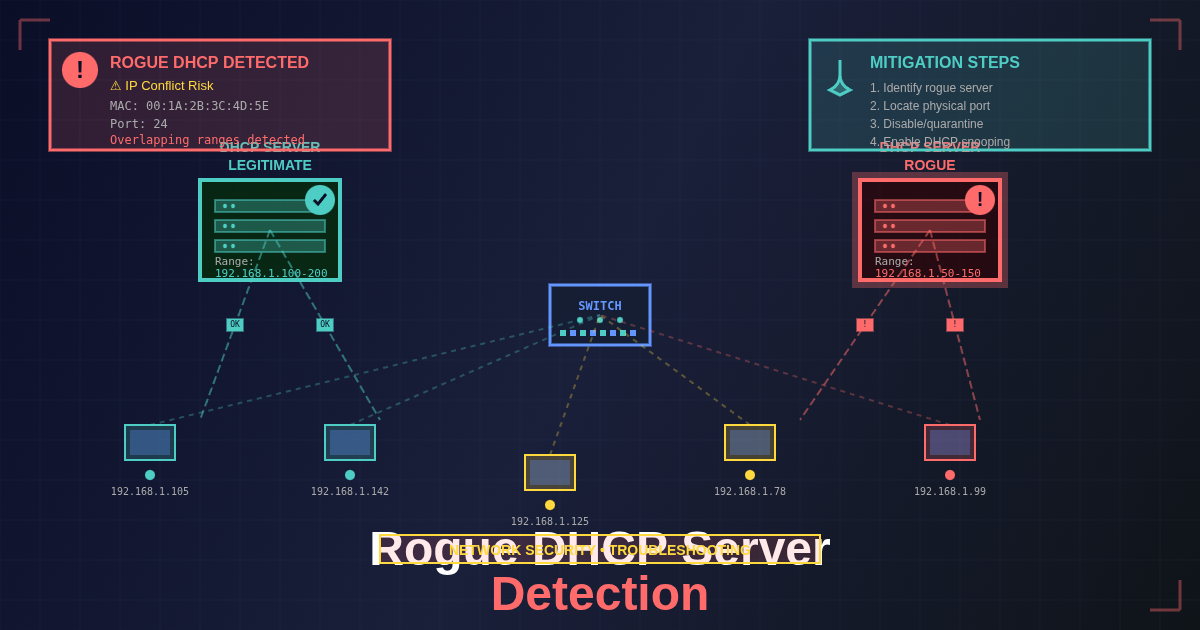
Network administrators face numerous challenges in maintaining a secure and stable infrastructure, but few are as insidious as rogue DHCP servers. These unauthorized servers can wreak havoc on your network, causing connectivity issues, security breaches, and hours of troubleshooting headaches. Whether introduced maliciously by an attacker or accidentally by a well-meaning employee who plugged in their home router, rogue DHCP servers represent a serious threat that demands immediate attention.
The Dynamic Host Configuration Protocol (DHCP) is fundamental to modern networking, automatically assigning IP addresses and network configuration to devices.
Rate limiting is your application’s first line of defense against abuse, whether from malicious actors launching denial-of-service attacks, buggy clients stuck in retry loops, or legitimate users inadvertently overwhelming your system. Without proper rate limiting, a single misbehaving client can bring down your entire service, impacting all users and potentially costing your business significant revenue and reputation.
In this comprehensive guide, we’ll build a production-grade rate limiting middleware for Go HTTP servers that protects your APIs while maintaining performance and flexibility.
I know there are allot of online tools that allows you to convert PDF to JPG. For confidential reasons I prefer to do it locally on my machine, keeping sensitive documents private and ensuring compliance with data protection policies.
A logging middleware is a piece of software that sits between the incoming request and the final handler function in a web application. Its primary purpose is to log information about each request that comes through the application.
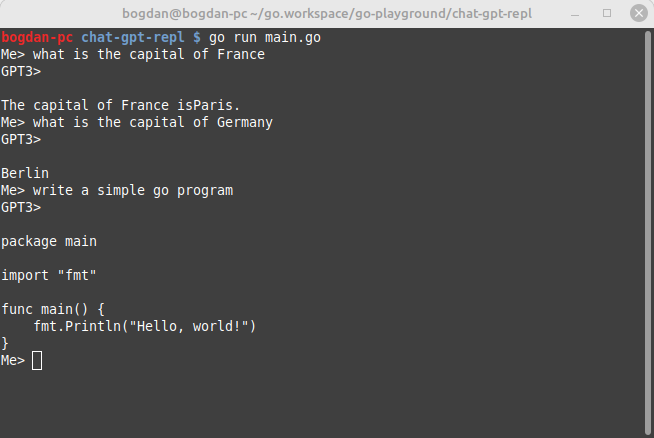
This blog post will discuss how to use the OpenAI Chat API in Golang. For this purpose we will create a simple REPL (Read-Eval-Print-Loop) that will use the GPT-3 API to generate the responses.